
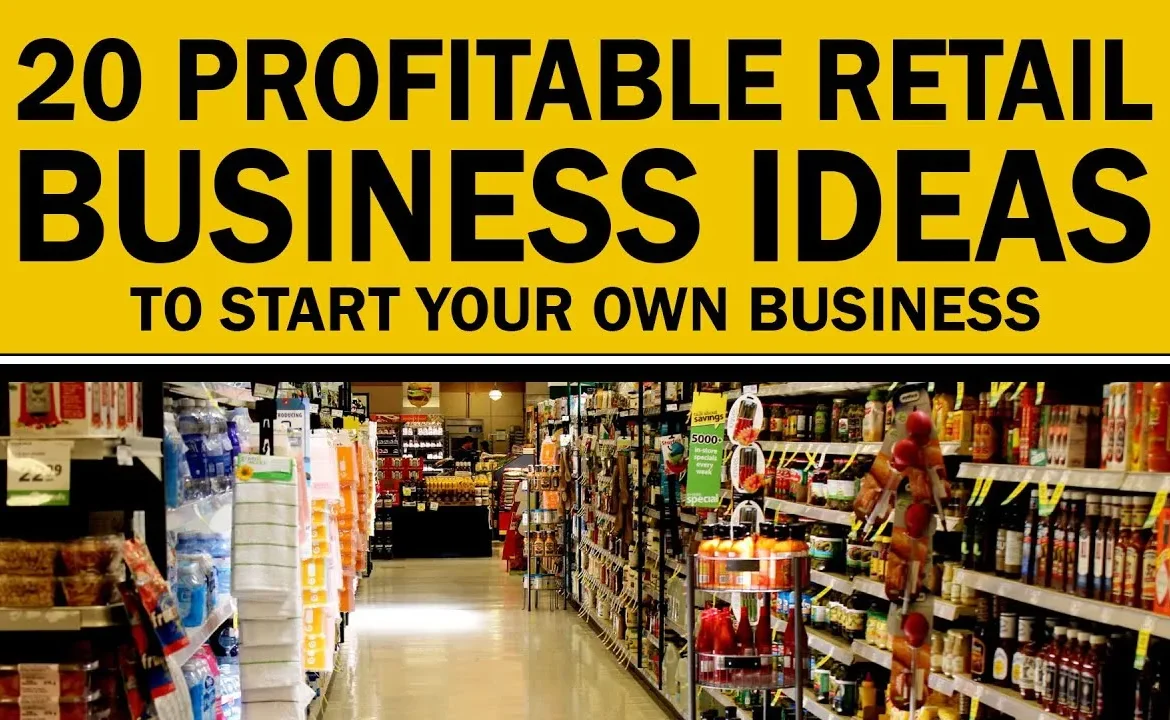
How to Start a Retail Business in 2026 and Build Long-Term Success
How to Start a Retail Business in 2026 with a Clear Plan
Starting a retail business in 2026 is not about opening a shop and hoping customers show up. Retail today is shaped by changing customer habits, digital tools, and rising competition. To succeed, you need structure, patience, and a clear understanding of how retail actually works.
Many new retail business owners fail because they rush the process or ignore planning. This article is written to give you a realistic, step-by-step understanding of how retail works today, using practical thinking instead of hype. Whether you want to sell from a physical store, online, or both, this guide helps you start the right way.
What Is a Retail Business
A retail business sells goods directly to the end users for their personal use. These are products that traditionally — in traditional retail, are bought from wholesalers and end up being marked up. Retailers can use physical stores, online presence, or both channels. Knowing what is a retail business also comes in handy when you start retail business so that you know where to stand. Your business will hinge on picking the right products, pricing them right and giving a pleasant customer experience.Unlike wholesale, retail is not about making business with bulk buyers but individuals. Online retail removes location limits, but it still follows the same core retail principles.
Retail Business Planning Comes First
Strong retail business planning is the foundation of long-term success. Planning is not about paperwork. It is about understanding how your business will survive slow months and grow during strong ones.
Good planning helps you:
- Define your target customer clearly
- Decide what products are worth investing in
- Set realistic financial expectations
Without planning, even experienced retail business owners struggle to make consistent decisions.
Opening a Retail Business the Right Way
Opening a retail business should follow a clear order. Many beginners ask how do I start a retail business, but the real answer lies in following the proper steps to opening a retail business without rushing.
At this stage, you should focus on:
- Choosing a product category and suppliers
- Deciding between a physical store, online selling, or both
- Completing legal registration and basic setup
Skipping steps at this stage often leads to avoidable mistakes later.
Retail Business Startup Costs You Must Understand
One of the biggest challenges in retail is managing retail business startup costs. These costs vary based on location and business model, but they must be planned carefully.
Startup costs usually include inventory, rent or platform fees, licenses, basic marketing, and technology such as POS and inventory systems. Many new retailers underestimate expenses, which creates cash flow pressure early on. Managing costs properly also improves your long-term retail business valuation, as financially organized businesses are more attractive to investors and lenders.
Small Retail Business Ideas That Work in 2026
Small retail business ideas succeed when they focus on specific customer needs rather than broad markets. In 2026, customers prefer specialized stores that understand them.
Examples include niche fashion, home décor, specialty groceries, beauty products, and tech accessories. Many of the most profitable retail businesses grow slowly by building loyal customers instead of chasing volume.
Choosing a focused idea makes operations easier and reduces inventory risk.
Starting an Online Retail Business
Starting an online retail business has become a practical entry point for many new retailers. When you learn how to start an online business, testing products and understanding demand without spending a fortune on overhead is within your grasp. Online commerce includes a website or sales platform, payment methods, shipping processes and customer contact. It also gives you valuable information that can help with retail business analytics and decision making in the future. Many successful retailers now combine online and offline selling for stability.
Inventory Management and Business Data
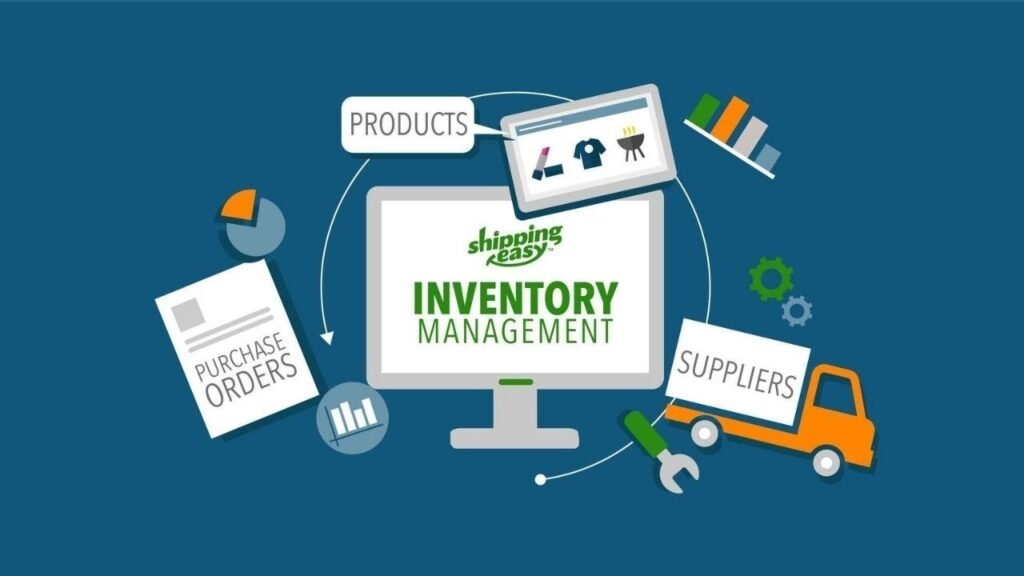
Inventory control is critical for survival. Using inventory management systems small retail business owners rely on helps prevent overstocking, shortages, and cash loss.
At the same time, retail business analytics tell us what sells (products), when they’re sold (customer buying behavior) and how they get a push via promotions. Inventory systems and analytics, together, enable smarter planning and less mistakes. By 2026, even mom-and-pop shops rely on AI tools for doing retail business to predict demand, automatize grunt work.
Retail Communication and Customer Trust in Business
Effective store communication, builds loyalty. That includes how workers treat customers, how policies are explained and even how businesses respond online. Transparent and frank dialogue keeps customers coming back and complaints down, and helps to build the very essence of a brand in terms of respect.
How to Scale a Retail Business Safely
Learning how to scale a retail business requires patience. Growth should happen only after operations are stable. Safe scaling usually involves expanding product lines, strengthening online sales, and improving systems before opening new locations. Rushed expansion often damages cash flow and service quality.
Practical Retail Business Tips
Some retail business tips remain true regardless of location:
- Cash flow matters more than sales volume
- Simple systems outperform complex ones
- Customer behavior matters more than opinions
Successful retail business owners stay consistent, adaptable, and data-aware.
Frequently Asked Questions
Most retail businesses take 6 to 18 months to reach consistent profit, depending on costs, pricing strategy, and customer demand.
Yes, physical stores work well when they serve a local need, offer convenience, or provide a strong in-person shopping experience.
Yes, many people start small by focusing on a narrow product range and scaling gradually as sales grow.
The most common mistake is mismanaging cash flow, especially by spending too much on inventory too early.