
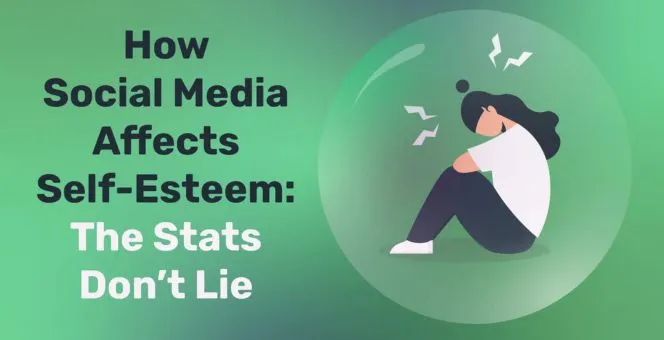
How Can Social Media Affect Mental Health Today
How Can Social Media Affect Mental Health in Real Life
Social media has quietly become part of how we all work, think, relax, and interact. At the beginning of the day, for many people,e and at its end for others, they check updates and scroll through posts without realizing how profoundly this habit is affecting their emotions. While social platforms can help you stay connected, they are subtly influencing mood and confidence, and mental balance. Understanding how social media affects mental health is important because the impact of these things often doesn’t appear right in front of us — it’s a whole lot of little moments adding up to something big, not one big thing all at once. This blog goes beneath the headlines and explores the emotions that influence our relationship with social media, and why we experience them, as well as how to mitigate some of their effects on our mental health while staying connected.
Understanding Mental Health in Everyday Terms
A common question people ask is what is mental health definition? Mental health refers to emotional, psychological, and social well-being. It affects how people handle stress, process emotions, relate to others, and cope with daily pressure.
Mental health is not about constant happiness. It is about balance, resilience, and emotional awareness. When daily habits repeatedly disrupt that balance, mental health can slowly decline without obvious warning signs.
The Quiet Emotional Effects of Social Media
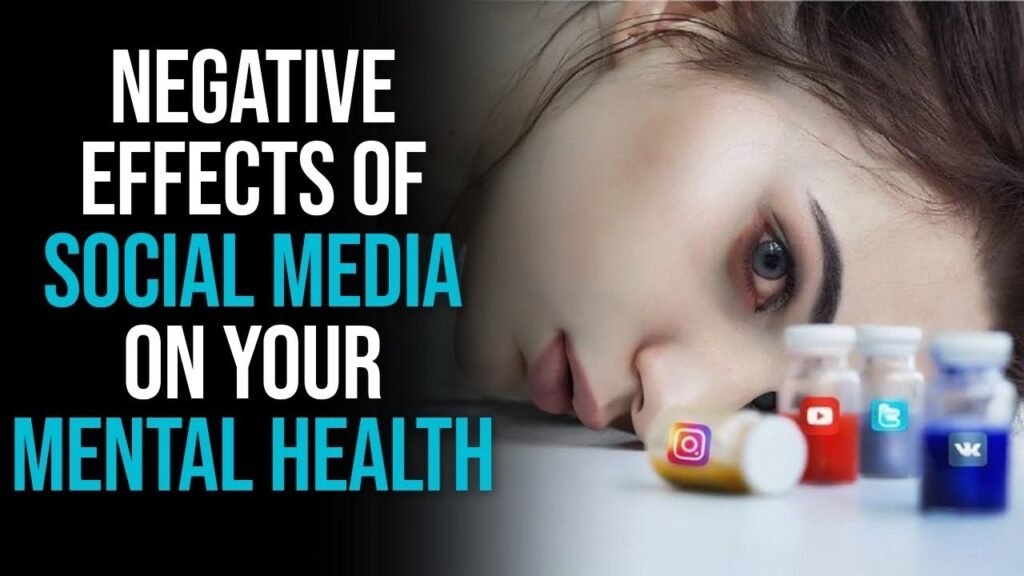
Social media influences mental health mostly through emotions rather than direct harm. One major factor is comparison. Online spaces often show success, beauty, and happiness in filtered form. When you witness this enough times, it can lead to
false hope and low self-esteem. Another issue is constant stimulation. The mind is left on alert, with notifications, trending content, and endless scrolling preventing it from resting as necessary. Over time, this can lead to increased anxiety and an inability to focus or feel calm. There is also validation pressure. Likes and comments can become emotional rewards over time. The problem is that when engagement declines, the self-worth may follow suit, even if nothing changes in real life.
Change in Social Media Use and Self-Esteem
Refined comparison can subtly shift how we see ourselves. Over time, confidence could be more likely to depend on reactions online than on real-world accomplishments. Curiously, this transition often occurs under the radar, making it difficult to disentangle digital validation from meaningful worth.
Refresh Mental Health by Adjusting Online Habits
You don’t need to quit social media altogether to refresh mental health. The tiniest, most conscious states make the biggest impact. Awareness is the first step. Attending to how you feel after scrolling can tell you which platforms deplete energy and which ones are neutral or positive. Curating content helps as well. It can even help improve mental balance if it is followed by removing those accounts they find stressful, and following content that feels supportive. When you schedule time into your day for social media, it avoids the endless scroll and the drain on mental capacity.
What Screen Time Has to Do With Exhaustion
The brain is affected by long periods of screen time, even when the body feels rested. Mental downtime has lost its value because of the persistent flood of information, resulting in emotional fatigue.
- Feeling overwhelmed without a clear reason
- Trouble concentrating
- Restlessness during quiet moments
5 Signs You Need a Mental Health Day?
What I’m talking about is mental overload that often appears before people are aware of it.
Common signs include:
- Mental fatigue is not alleviated by rest
- Anxiety after using social media
- Low motivation or emotional numbness
- Difficulty sleeping due to scrolling
- Irritability over small things
Noticing those signs early on can make room for rest and emotional refuel.
When is World Mental Health Day — And Why It Exists
A lot of people ask, When is world mental health day? – It’s celebrated annually on October 10. The day is aimed at creating awareness, removing stigma, and encouraging discussion about mental well-being. World Mental Health Day is a reminder that mental health warrants ongoing care rather than attention solely in times of crisis. In today’s highly-connected, digital world, this message is more pertinent than ever.
Mental Health Games and Healthy Digital Support
That’s not to say that all digital tools are terrible. Mental health games and wellness apps can also promote relaxation, mindfulness, and emotional awareness when used mindfully. The latter are typically made up of some sort of mindfulness session, deep breathing exercise, or mood tracker. The key difference is purpose. interpreted as nourishment instead of flight, it feels less like wasting and more like filling.
Why Intentional Use Matters More Than Time Spent
The problem isn’t how much time you spend on the web, but what you do with it. Mindless scrolling can do a number on your mental health in ways that intentional, limited use does not too.
What Color Is Mental Health Awareness and the Meaning Behind it
A lot of people are asking what color is mental health awareness, and perhaps the most widely known 11st would be green. Green: Healing, balance, and renewal. It is a symbol of optimism and emotional growth. Visual awareness helps destigmatize the conversation about mental health and dances on the reminder that we matter emotionally.
The impact of social media on different age groups
Young people may be especially at risk, and certainly no one is fully shielded since identity and confidence are issues that continue to evolve through life. Adults are stressed out by being always available and overloaded with information. Parents can also experience pressure from unattainable online standards. Different groups will go through social media in their own way, but awareness can help everyone build habits around it that are healthier.
Small Daily Routines to Protect Your Mental Health
Simple steps may help you telegraph less emotional pressure:
- Avoid scrolling before sleep
- Take short digital breaks
- Prioritize offline connections
Social Media and Mental Health: What We’ve Learned
Social media is not inherently evil, but unbridled use can deteriorate one’s mental health in the long run. To be in control of your digital habits, rather than controlled by them, you need to know how social media impacts mental health. With consciousness, moderation, and tweaks here and there, you can harness online connections without losing your head.
Closing Questions and Insights
Yes, but its use can compound anxiety, stress, and emotional exhaustion over time.
Balanced and conscious use is efficient in most cases, not total abstinence.
Notice mood shifts, anxiety, or fatigue after endless scrolling.
Used intentionally, they can help us relax and stay in touch we are with our feelings.
It’s a means of raising awareness, reducing stigma, and promoting mental health care for all