
How to Detect If an Image Is AI Generated Online With Accuracy
How to Detect If an Image Is AI Generated
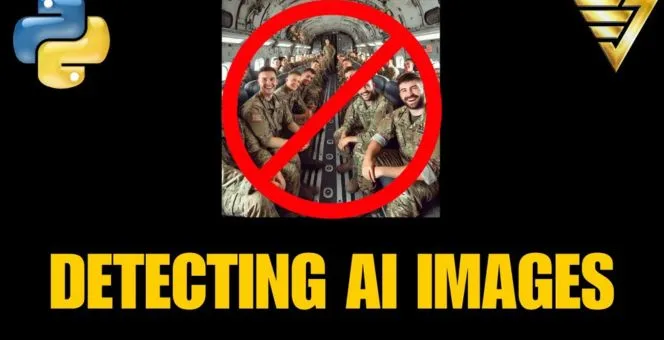
How to detect if an image is AI generated is now a critical skill for anyone who uses the internet regularly. AI-generated pictures can be found on social media, blogs, advertisements news articles and even academic papers. Some are used for art and design, and some reach the public without context, where they can mislead much too easily. Learning how to discern whether an image was generated by AI is useful for maintaining credibility, preventing misinformation and encouraging ethical use of content in digital environments.AI tools have advanced rapidly, but they still leave behind traces. By recognizing those signs and employing the appropriate methods of verifying them, anyone can become better at identifying which images are fakes.
Why AI Image Detection Is Important Today
Why Images Influence Trust So Quickly
Images shape opinions faster than text. People tend to trust realistic images, and this is where the issue begins. Artificially intelligent images can be used to produce and disseminate false stories, events that did not happen, and altered images.
Risks for Businesses, Journalists, and Educators
For companies, the trust their customers have in their brand can be jeopardized if they put out images that have not been verified. For journalists and educators, using AI images without disclosure can harm credibility.
Why AI Image Detection Is Now Essential
Even casual users risk sharing misleading visuals without realizing it. That is why AI image detection is no longer optional. It is part of modern digital awareness.
Visual Signs That Reveal AI Generated Images
Facial and Human Detail Errors
AI often struggles with fine human details. Hands are one of the biggest giveaways. Look closely at your fingers. Extra fingers, merged fingers, or unnatural bends are common signs. Teeth may look uneven, overly smooth, or strangely aligned.
Eyes are another clue. Pupils may not match in size, reflections may differ, or the gaze may feel unnatural. Facial symmetry can appear too perfect or slightly distorted at the same time. These errors happen because AI predicts patterns rather than understanding anatomy.
Background and Object Issues
AI-generated images often fail in the background. Objects may blend into each other or lose clear edges. Patterns can repeat unnaturally, especially in walls, crowds, or landscapes.
Text inside images is a major red flag. Signs, labels, and books often contain misspelled or unreadable words. Lighting can also be inconsistent. Shadows may fall in different directions or reflections may not match the light source.
How to Check If an Image Is AI Generated
Reverse image search is one of the most reliable methods. Upload the image and check where it appears online. Real photos usually have a traceable history on news sites, stock libraries, or original social profiles.AI-generated images often appear only on a single post, newly created page, or random forum. A missing source trail strongly suggests AI creation. This method should always be part of image verification.Metadata can also help. Real photos often include camera data, dates, and technical details. AI-generated images usually lack this information or show software-based creation data. Keep in mind that metadata can be removed, so this method works best when combined with others.
Are AI Generated Images Copyrighted
Are AI generated images copyrighted is a common and important question. In many regions, copyright laws require human authorship. Fully AI-generated images may not qualify for traditional copyright protection.Another concern involves training data. Many AI tools learn from large datasets that may include copyrighted images. This creates legal and ethical uncertainty, especially for commercial use.For businesses and publishers, the safest approach is caution. Always review the platform’s licensing terms and avoid assuming ownership. When in doubt, treat AI images as restricted unless clearly stated otherwise.
AI Image Detection Tools and Their Limitations
Several online tools claim to detect AI-generated images automatically. These tools analyze pixel patterns, noise distribution, and synthetic artifacts. While helpful, they are not foolproof.
AI models evolve faster than detection systems. This leads to false positives and missed detections. Detection tools should support human judgment, not replace it. The most accurate results come from combining tools with careful visual inspection and source verification.
How to Cite an AI Generated Image
Proper Attribution and Disclosure
How to reference an AI generated image The answer to this question will vary depending on context, and the desired standards of transparency. When in academic, journalistic or professional publications, always make a clear disclosure that the image is AI-generated.An informative citation generally includes the name of the AI tool, the generation date and a brief narrative about how the image was produced. This enables readers to know the source of the visual and judge its relevance.
Why Disclosure Matters
Disclosing AI-generated images builds trust. It prevents confusion and protects the credibility of the creator. As AI content becomes more common, clear labeling is becoming an expected standard across industries.
LSI Clues That Strengthen AI Image Detection
Correlated indicators are synthetic image artifacts, deepfake features, GAN image patterns and AI visual abnormality that contribute to better detection results. These are composed of things like fuzzed edges, plastic skin texture, curling background elements and mismatched depth.
Zooming in on the edges and comparing images that resemble one another from within the same source, as well as studying color transitions can help you course-correct based on what kind of patterns you’re seeing with your AI constant.
AI Images in News and Social Media Copy
AI-powered images can quickly proliferate across social platforms, especially when accompanied by emotional or sensational captions. These images get repeated by users with out checking the source.ALWAYS fact check before passing things along. Ask where the image originated and who was the first to post it, and verify it with trusted sources. Responsible sharing is a critical part of the effort to combat misinformation.
The Future of AI-Guided Image Verification
AI-generated images will only get better and become more difficult to detect. At the same time, new mechanisms like digital watermarks, content authenticity frameworks and platform-levels are coming up.Until common sense rules are in place, skepticism is our best defense. And knowing how to spot whether an image was created by AI will remain important for creators, businesses, educators and everyday users.

FAQs
Most AI images can be very realistic, but on occasion show inconsistencies that can be noticed on close examination.
It is highly useful, but not perfect. New real images may also lack history, so use it with other checks.
Yes. Clear labeling improves transparency and trust.
Undisclosed AI images can hurt credibility. Transparency protects both reputation and user trust.
Yes. Many countries are reviewing copyright laws to address AI-generated content more clearly.