
AI Image Detection In 2026: A Complete Guide
AI Image Detection Explained Simply
The internet is filling up with AI-generated images faster than ever before. From social media posts to marketing visuals and blog content, artificial intelligence is now creating pictures that look almost human-made.
This is exactly why ai image detection has become such a hot topic in 2026. People want to know where images come from, how they are analyzed, and whether they can be trusted.
In this guide, we will break down how ai image detection works, why it matters, and how detection systems analyze images today. You will also learn practical insights about detection tools, common challenges, and what the future holds. If you work with digital content, understanding ai image detection is no longer optional.
What Is AI Image Detection?
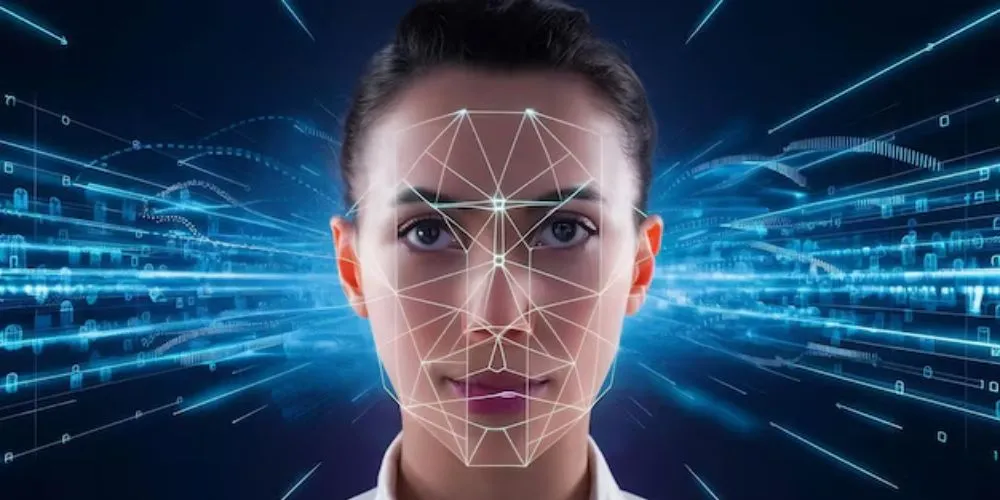
AI image detection refers to the process of identifying whether an image was created by artificial intelligence or a human. These systems examine patterns, pixels, metadata, and visual inconsistencies that are often invisible to the human eye.
Unlike simple filters, modern detection systems use machine learning models trained on millions of images. Their goal is not just to label an image but to understand how it was generated. This makes detection more accurate, especially as AI-generated images continue to improve in quality.
How AI Image Detection Systems Actually Work

Detection tools do not rely on a single signal. Instead, they combine multiple analysis methods to reach a conclusion.
1. Pattern And Pixel Analysis
AI-generated images often show repeating textures, unnatural lighting transitions, or overly smooth details. Detection models scan for these subtle patterns that rarely occur in real photography.
2. Metadata Review
Some AI-generated images include traces in metadata, such as missing camera information or unusual creation timestamps. While metadata can be removed, it still plays a role in detection.
3. Context And Structure Evaluation
Detection tools assess whether shadows, reflections, and object proportions align with real-world physics. Even advanced AI sometimes makes small mistakes that detectors can catch. This is where tools like an ai image analyzer become valuable, as they combine technical and visual checks into one system.
Why AI Image Detection Matters More Than Ever
The rise of AI visuals has created serious concerns across industries. Detection is no longer just a technical feature; it supports trust and accountability.
- Media platforms need to stop misinformation
- Businesses want transparency in marketing visuals
- Educators aim to verify original work
- Legal teams require proof of image authenticity
Without ai image detection, it becomes difficult to separate real visuals from artificial ones, especially at scale.
AI Describe Image Technology vs Detection

It is important to understand the difference between detection and description tools. ai describe image systems focus on explaining what is inside an image, such as objects, scenes, or actions. Detection tools, on the other hand, focus on how the image was created.
Both technologies often work side by side. Description models provide context, while detection models verify authenticity. Together, they improve image transparency across platforms.
Common AI Image Detection Tools Used In 2026
Modern detection tools vary in complexity, but most fall into similar categories. They are built to analyze images created by an AI Image Generator and identify visual patterns that suggest artificial generation.
- AI image detector online platforms for quick checks
- Enterprise-level systems used by publishers
- Research-based detection engines for forensic analysis
Some users prefer an AI image detector free option for casual checks, while professionals rely on paid systems for higher accuracy. The Best AI image detector is usually the one that balances speed, transparency, and accuracy for the user’s needs.
Free vs Paid Detection: What’s The Difference?
A Best AI image detector free tool can be helpful for quick validation, but it often has limitations. These may include lower accuracy, image size restrictions, or limited analysis depth.
Paid tools offer deeper scanning, confidence scores, and batch processing. This makes them more suitable for businesses, publishers, and legal teams that deal with large volumes of images.
Can You Bypass AI Image Detection?
Many people search for ways to Bypass AI image detection, but the reality is more complex. Detection systems are improving constantly, and simple tricks rarely work long-term. Some common attempts include resizing images, adjusting noise levels, or editing metadata.
While these may confuse older tools, advanced systems quickly adapt. Anyone asking how to make an ai image not detectable should understand that no method is guaranteed, especially in 2026. The safer approach is transparency, not evasion.
The Role Of Google AI Image Detector Technology
Large platforms continue to invest heavily in detection. Systems like the Google AI image detector focus on content integrity at scale. These tools help platforms label AI-generated content and reduce the spread of misleading visuals. As regulations evolve, platform-level detection will likely become standard, not optional.
Accuracy And Limitations Of Detection Systems
Even the Best AI image detector is not perfect. False positives and false negatives still happen. Factors like heavy editing, compression, or mixed media can confuse detection models. This is why detection results should be treated as indicators, not absolute proof. Combining multiple tools often produces more reliable outcomes.
Popular Detection Engines In Use Today
Several detection engines have gained attention due to their consistent performance:
- Winston AI image detector for professional analysis
- Copyleaks AI Image Detector for originality checks
- Research-based detectors used by publishers
Each system has strengths, but none should be used in isolation when accuracy matters.
Ethical Use Of AI Images In 2026
Detection is not about punishing creators. It is about maintaining honesty. Ethical use means disclosing AI-generated visuals when required and respecting platform guidelines. As AI creativity grows, detection ensures that trust does not disappear.
The Future Of AI Image Detection

Looking ahead, detection tools will likely become faster, more accurate, and more integrated into everyday platforms. Real-time detection, watermarking, and content labeling will play a larger role.
In 2026, ai image detection is no longer a niche technology. It is becoming a standard part of digital content workflows.
Final Thought’s
The rapid growth of AI-generated visuals has made ai image detection a critical part of digital trust. From understanding how images are analyzed to choosing the right detection tools, staying informed is essential.
Whether you are a creator, business owner, or publisher, knowing how ai image detection works helps you make better decisions. As tools evolve, transparency and responsible usage will matter more than trying to avoid detection. The future of digital content depends on trust, and detection plays a key role in protecting it.?
FAQ’s
It is used to identify whether an image was created by artificial intelligence or a human.
Free tools can help with basic checks, but they often lack the accuracy of paid systems.
No method guarantees full bypass, especially as detection models continue to improve.
It helps prevent misinformation, supports transparency, and maintains trust in digital content.