
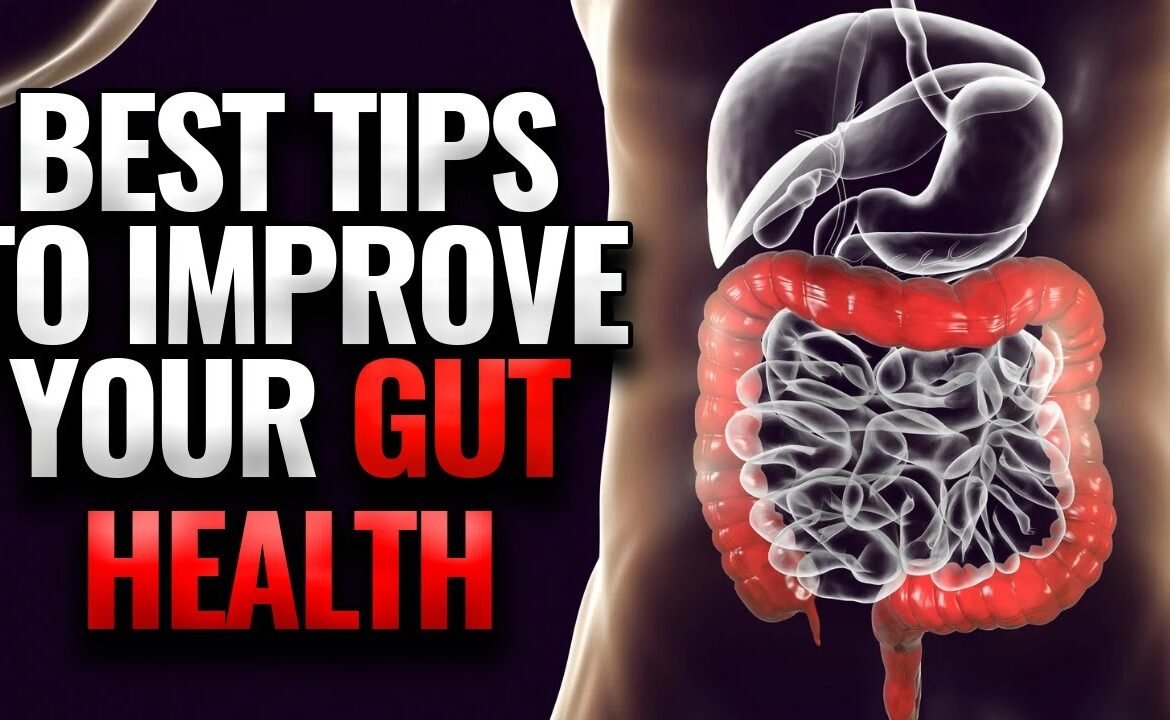
How to Improve Gut Health Naturally for Better Digestion
How to Improve Gut Health for Everyday Digestive Comfort
The stomach is not the only part that digestion involves. Energy, Immunity, cognitive clarity, and body comfort are all affected by the state of digestion and HOW we digest. So, discomfort after meals = poor digestion, and the symptoms that can indicate you have poor digestion are huge (literally) – bloating, not great poo’,s and uncomfortable feelings in the digestive area. How to improve gut health facilitates your body in finding balance and healing itself.
Good (gut) things take time . You can’t rebuild your gut overnight. It needs consistent routines, peaceful meal choices, and good timing. Rather than seeking quick fixes, sustainable gut health is about finding what the gut wants.
At the beginning of daily routines, in terms of aiding gut health
Supporting gut health begins with the simple changes you make in your everyday habits. Consistently timed meals allow the digestive system to reset. Setback points, such as meal skipping and late eating, increase digestive stress. Throughout the day, staying hydrated aids unimpeded digestion and moisture within the digestive system.
The role of water is neglected in digestion. Some forms of light exercise, such as walking, increase gut motility and food movement. Stress management is equally important. Healthy eating cannot compensate for unavoidable stress, which leads to digestive slowdown and imbalance.
Healing with food
Healing your gut can be done by changing your diet without following strict food exclusion. Eating more whole foods like fruits, vegetables, legumes, and whole grains is good for your gut and digestion. They are high in fiber, which feeds your gut good bacteria. Eating fermented foods like yogurt and kefir may help good bacteria, and they should be eaten regularly.
Eating less highly processed foods and sugar is good for digestion and calms the system down. Highly processed foods and sugar feed the bad bacteria and overstime put damage to the gut lining. Gut lining and nutrient absorption can be aided by healthy fats. Good fats include those in seeds, avocados, nuts, and olive oil.
For those with unsettled digestion
Some people are left with a concerning how to fix their gut health without ever changing their eating habits. Probiotic supplements and digestive enzymes can help during these situations. These supports aren’t a substitute for good foods, but can help with digestion when the gut needs help the most. Expecting instant results and switching products often slows your progress. Consistent, gentle support is always better than aggressive changes.

Gaining more understanding of digestive health
1. Utilizing a test for gut health when symptoms continue
For those experiencing digestive discomfort, a test for gut health can prove informative. Such tests can identify potential bacterial dysbiosis, intolerances, or digestive inefficiencies. Testing might not seem necessary, but it can help when symptoms have not improved after attempting fundamental lifestyle changes. A health professional should provide clarity when explaining the results.
2 . Lifestyle habits that protect gut balance
Gut health improves when daily routines support the body, especially for those learning how to heal gut health through consistent habits. Sleep plays a major role, as poor sleep can disturb gut bacteria and increase inflammation. Maintaining a regular sleep schedule helps digestion recover and reset. Taking time to chew each bite of food also supports digestion by allowing enzymes to begin breaking food down, which reduces strain on the stomach. Another smart practice for anyone wondering how to fix my gut health is to limit the unnecessary use of antibiotics. While antibiotics are sometimes essential, overuse can disrupt healthy gut bacteria and slow digestive balance.
Mistakes that can slow gut recovery
Even with the right gut recovery practices in place, the following habits can slow progress in recovery. Expecting more immediate, rather than more incremental, results.
Not making any dietary changes and over-relying on the use of supplements.
Neglecting hydration, sleep, and stress.
Over-complicating the process by making a bunch of changes.
Moving slowly and being consistent will help gut health improve the most.
Final Overview
Improving gut-health is a process that improves the health of the entire body. As digestion improves, so do daily comfort and energy levels. Extreme measures should always be avoided, and instead, adopting practices that will be supportive of the digestive system is recommended. Patience, practice, and proper food selection can yield a strong, effective, and efficient digestive system. Routine and food choices help naturally improve gut health.
Improvement to gut health is a common concern, but it often comes with many questions.
Yes, digestion plays a role in nutrient absorption and overall energy levels.
Testing is helpful for long-term issues, but not needed for mild discomfort.
Yes, stress directly influences gut movement and bacterial balance.
No. Many people can improve their digestion by changing their diet and lifestyle alone.