
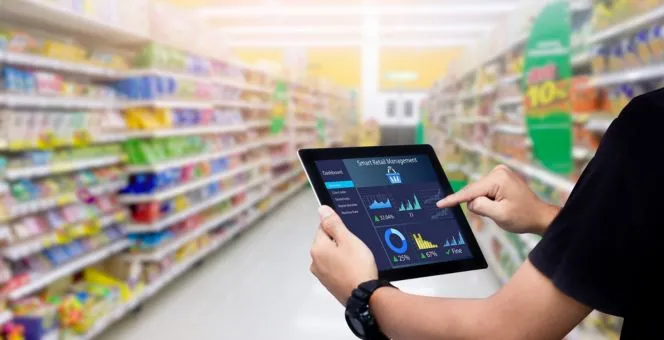
Retail Business Analytics in 2026 Smarter Data Decisions
When Your Store Is Busy but You Still Feel Blind
You can feel it in your gut. Sales are happening. Customers are walking in. Inventory is moving. And yet, when you try to answer simple questions like why profits dipped last month or which product actually drives growth, things suddenly go quiet. This is exactly where retail business analytics steps in.
We are not talking about spreadsheets that collect dust or dashboards nobody checks. We are talking about understanding what your data is quietly telling you every single day. When you and I start listening to that data, decisions stop being guesses and start becoming confident moves.
Why Retail Business Analytics Changes How You Think About Growth
Retail used to run on instinct. Today, instinct still matters, but data makes it sharper. Retail business analytics helps you connect sales, inventory, customers, and timing into one clear story. Instead of reacting late, you start acting early. That shift alone separates struggling stores from scalable ones.
How Data Analytics in Retail Industry Actually Works
Retail data comes from many places: sales systems, inventory management systems for small retail business operations, customer behavior, and even staffing patterns. Retail analytics pulls this information together and shows patterns such as:
- Which products sell fast but earn low profit
- When stockouts silently kill sales
- How customer habits change by season or location
This is why many professionals rely on data analytics in retail industry PDF reports to study long-term trends and benchmarks.
Types of Retail Analytics That Matter More Than You Think

Not all analytics serve the same purpose. Knowing the types of retail analytics helps you focus on the right insights instead of drowning in numbers, and it plays a key role when you want to Grow Your Retail Business with clarity instead of guesswork.
1. Descriptive Analytics: Understanding What Already Happened
This tells you what occurred in the past. Sales reports, revenue summaries, and retail analytics examples fall into this category.
2. Diagnostic Analytics: Knowing Why It Happened
Here, you connect causes with outcomes. For example, identifying why a promotion failed or why returns increased.
3. Predictive Analytics: Preparing for What Comes Next
Using past data to forecast demand, pricing shifts, or seasonal spikes.
4. Prescriptive Analytics: Deciding What to Do Now
This layer suggests actions like adjusting prices, optimizing inventory, or changing store layouts.
Retail Analytics Tools and the Rise of AI Support
Modern retail analytics tools have become smarter, faster, and easier to use. Many now include automation and machine learning features.
1. AI Tools for Retail Business: Helpful but Not Magical
AI tools for retail business can:
- Predict demand trends
- Optimize pricing
- Detect unusual sales patterns
Understanding the differences between AI and human writing and thinking is critical. AI can process scale. Humans provide judgment, context, and ethics. This is why the differences between human and AI writing style also matter in reporting and strategy documents. Data insights still need human interpretation to be meaningful.
Inventory, Valuation, and the Hidden Cost of Poor Analytics
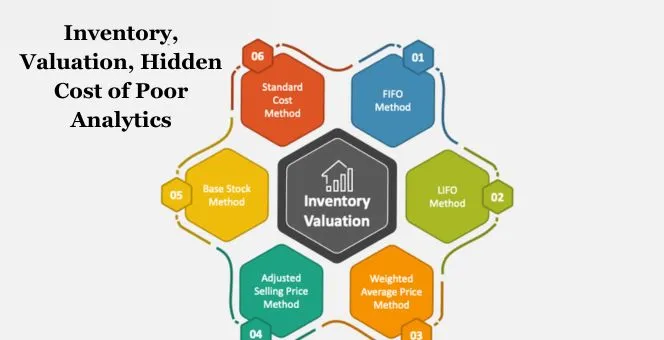
Poor analytics does not just slow growth. It quietly drains money.
1. Inventory Management Systems Small Retail Business Owners Depend On
Without proper analytics:
- Overstock ties up cash
- Understock loses customers
- Dead inventory eats storage space
Analytics transforms inventory systems into decision engines instead of tracking tools.
2. Retail Business Valuation Depends on Data Clarity
Investors and buyers do not trust gut feelings. They trust clean data. Retail business valuation increases when revenue patterns, margins, customer lifetime value, and operational efficiency are clearly documented through analytics.
Retail Analytics as a Career Path and Skill Set
Retail analytics is no longer limited to executives. It is a fast-growing career field.
1. Retail Analytics Jobs Are Growing Fast
Roles such as retail data analyst, business analyst, and strategy consultant rely heavily on analytics skills. Employers want professionals who understand both retail operations and data interpretation.
2. Retail Business Analytics Courses and Certification

These programs teach data interpretation, forecasting, reporting, and ethical use of analytics. Many professionals now pursue:
- Retail business analytics courses
- Retail analytics course programs
- Retail business analytics certification options
Content, Analytics, and the Human Touch
Analytics does not stop at numbers. It also applies to communication.
1. Best Practices for Content Writing for Humans and AI
Retail teams increasingly use analytics to guide content strategy. Understanding writing performance metrics helps improve messaging without losing authenticity. The key is balance:
- Write for clarity, not algorithms
- Use data to support, not replace, human insight
- Respect tone, intent, and emotional connection
Retail Analytics Examples That Show Real Impact
These insights do not feel dramatic. But they quietly reshape strategy. Here is what effective retail analytics can reveal:
- A product with high sales but a low margin is dragging profits
- A store location is profitable only during specific hours
- Promotions that increase traffic but reduce long-term loyalty
Conclusion
Retail does not usually fail suddenly. It fails quietly. Numbers whisper long before problems shout. Retail business analytics gives you the ability to hear those whispers early and act with confidence. When you use analytics the right way, your store stops reacting and starts leading. Growth becomes intentional. Decisions become calmer. And uncertainty slowly loses its grip.
FAQ’s
A professional who studies retail data to improve sales, inventory, pricing, and customer experience.
Descriptive, diagnostic, predictive, and prescriptive analytics.
The process of analyzing retail data to understand performance and guide decisions.
They collect, analyze, and interpret retail data to uncover trends and recommend actions.