
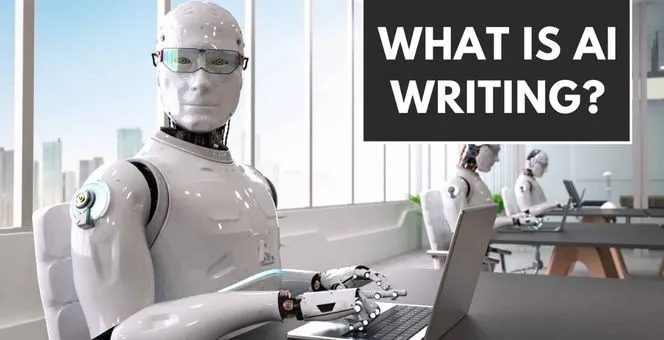
What Is AI Writing and Why It Is Reshaping the Way We Create Content
What Is AI Writing in the Modern Digital World
Content creation has changed dramatically over the last few years. Tasks that once required hours of brainstorming and drafting can now begin in minutes with the help of intelligent tools. And so, a question has been raised: what is ai writing and how it really work? It refers to using artificial intelligence software that produces text based on inputs and observed behaviors related to human writing patterns and use of language.
Instead of competing with human writers, the use of AI writing assistants is gradually increasing. They help organize ideas, speed up drafting, and improve clarity. If used properly, AI writing can be used as an assistive tool in enhancing productivity without compromising control, originality, or intentions. In this evaluation, we are going to investigate what AI writing is and where it is generally used, what it is capable of, and where it has limitations in relation to educational contexts.
AI Writing: What Happens Behind the Scenes
AI writing systems are trained on very large bodies of texts. By so doing, the AI learns how a language flows, how ideas are linked together, and how a sentence is formed. Once the user introduces a prompt, the AI models the most likely sequence of words depending on the context and probability. In order to truly appreciate the capabilities of artificial intelligence, one must be aware that artificial intelligence neither thinks nor comprehends in a human manner. In other words, artificial intelligence is not endowed with opinions, emotions, or personal experiences. Instead, it identifies patterns and generates responses that resemble human writing. Because of this, AI output always benefits from human guidance, editing, and judgment.
Academic Writing AI in Education and Research
In the field of education, academic writing ai is used for writing the more structured and formal pieces of writing. Such tools help students and researchers create outlines, edit and structure arguments, provide summaries for long and complicated readings, and even edit for sentence clarity. Organizing ideas and providing logical flow is something AI tools can do, especially during the first drafts.
There should be no reliance on AI tools for thinking, analyzing, and even researching in an original and ethical way. Academic tasks require original ideas, research, and thinking. AI writing tools can do many things, but they are best used to assist writers in formatting and clarity while leaving the most important and interpretive parts to the author. Stress can be alleviated, efficiency can be gained, and most importantly, academic integrity can be preserved when the writing AI tools are used ethically.
AI Speech Writing for Clear and Effective Communication
1. AI Speech Writing for Presentations and Talks
Public speaking often requires careful planning, structure, and tone. Ai speech writing tools are commonly used to draft speeches for business meetings, conferences, classrooms, and events. These utilities are aids in molding the ideas that surface into a story which flows naturally from beginning to end.
2. AI can assist with:
- Structuring key talking points
- Adjusting tone for different audiences
- Improving transitions and clarity
Although AI can assist with wording—and has done so to meager avail, to my way of thinking—effective speeches still depend on the human mode of delivery. Well, emotion and timing and personal connection can’t be created by software. AI-written speeches should always be personalized and then rehearsed to sound like the speaker, for best results.
AI for Proposal Writing and Business Writing
Proposals are a significant part of doing business, whether you’re working in a contract-based industry or you’re just looking to land a few freelance clients. It takes clarity, persuasion, and a grasp of goals to put them on paper. Ai for proposal writing helps industry professionals write proposals more smartly by creating structured content in a professional tone of voice.
AI tools are often used to:
- Structure proposal layouts
- Clarify objectives and outcomes
- Refine language for professionalism
But the secret to successful proposals lies in relevance and personalization. Clients want personalized help, not a canned answer. Human input ensures that proposals reflect real expertise and understanding.

AI Writing Letter for Everyday and Formal Use
A lot of people find it hard to write letters, and particularly formal letters. Ai writing-letter tools assist people in drafting e-mails and letters for job searches, complaints, requests, or official communication. Artificial intelligence can help guide you on those things—formatting, tone and grammar. These tools are particularly helpful for those who aren’t native speakers or are inexperienced with formal writing. Yet specifics of the intimate and emotional must be checked regarding their reality and sincerity.
AI Writing In Creative And Technical Fields
AI writing goes beyond mere formal communication to both artistic and technical fields, providing assistance in various manners.
1. AI and Creative Writing as an Idea Machine
In creative domains, ai and writing will be used as inspiration rather than a text brochure for sale. Writers are experimenting with the technology to explore plot ideas, create characters, and even get inspiration for writing styles. It can also be a useful brainstorming partner when creativity is flat. And true creativity still originates in human imagination and lived experience. AI might be able to chime in with a suggestion, but depth of storytelling and the emotional resonance that requires are still human strengths.
2. AI for Technical Writing and Documentation
Technical documentation requires precision, clarity, and consistency. Ai for technical writing assists with user manuals, guides, and instructional content by simplifying complex explanations and maintaining consistent terminology.
Despite this assistance, technical accuracy is critical. When using AI, the text created by the AI needs to be fully understood before writing since the instructions could have been missed. AIs assist with some writing-related issues, but the knowledge on the subject ensures it stays credible.
Positive Aspects of AI Writing Tools
If AI writing is done smartly, AI writing could lead to the following nurse:
- Drafts and outlines can be done in a relatively short amount of time.
- Repetitive tasks can be done in a shorter amount of time.
- The AI can provide a different way to organize and present ideas.
- Taking care of language issues can provide relief to people who are into English writing.
All of these can help a writer to have a better focus on the purpose, the overall plan, and the high quality of the writing and have less time wasted on an empty page.
Limitations and Responsible Use
AI writing has limitations. It can produce repetitive phrasing, lack depth, or include inaccuracies. It also does not understand context the way humans do. For these reasons, ethical use is essential.
Writers should always:
- Review and edit AI-generated content
- Verify facts and sources
- Add personal insight and examples
- Avoid presenting AI output as fully original
Responsible use protects quality, credibility, and trust.
Maintaining Standards in Writing that is Assisted by AI Tools
To maintain high quality in the use of writing tools, in general, use tools in drafts, not final versions. Make use of AI tools to prepare a draft and add a human touch with critical thinking to it. Make sure to set the style and tone of the audience and avoid language that is vague, empty, and repetitive in order to make sure that the writing is of high quality and is purposeful.
Final Overview
Numerous methods exist to address questions regarding the application of Artificial Intelligence (AI) writing tools, which both people and companies must understand. Writing AI tools should not be considered a replacement for human insertion or human innovation. Aid in the creation of marketing materials, and the protection of creative elements are all benefits of utilizing AI in a correct and effective manner. Writing also will most likely be able to involve the assistance of artificial intelligence. Those balancing efficiency and artificial intelligence will most likely be able to benefit the most from the tools.
Important Questions Answered
AI writing is commonly used for drafting, organizing ideas, summarizing content, and improving clarity.
Yes, for supportive purposes. Original thoughts, references, and human analysis are still necessary.
Yes, especially in proposals, letters, and presentations, since the content can be tailored.
Absolutely not. While AI can help in terms of structuring and pace, creativity and judgment will always be the domain of human beings.
Yes, when it is edited, original, and written for user value rather than automation.